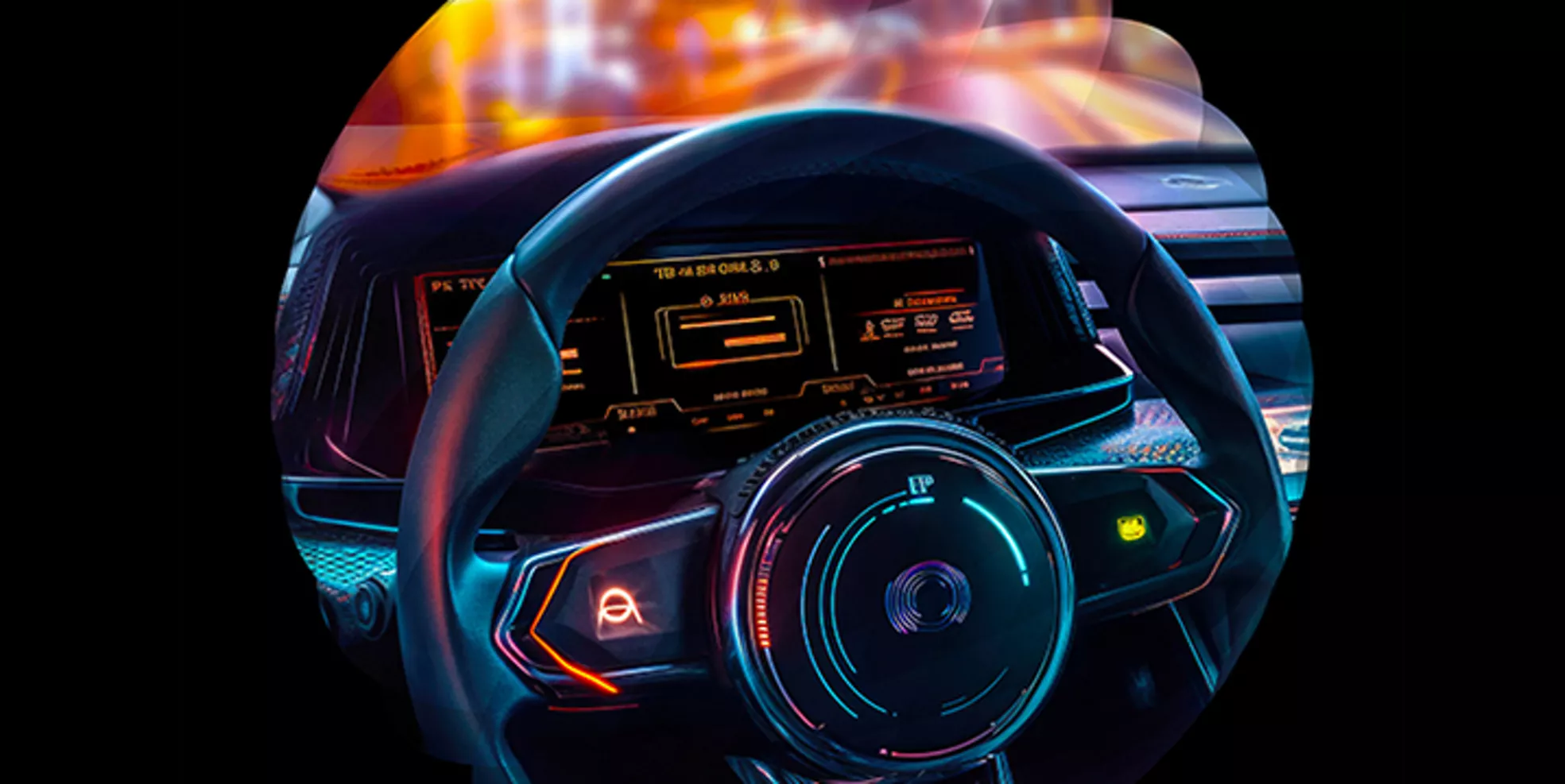
Discover how Software-Defined Vehicles (SDVs) are transforming the automotive industry in 2026 with AI, OTA updates, and smart connectivity.
Introduction
The automotive industry is undergoing a major transformation. In 2026, cars are no longer just mechanical machines — they are intelligent, connected, and constantly evolving digital platforms. This shift is powered by Software-Defined Vehicles (SDVs), where software plays a central role in controlling performance, safety, and user experience.
Instead of upgrading your car every few years, your vehicle can now improve through software updates — just like your smartphone.
What is a Software-Defined Vehicle?
A Software-Defined Vehicle is a car where most functions — including engine performance, infotainment, safety features, and even driving modes — are controlled and updated through software rather than hardware changes.
Key Features:
Over-the-Air (OTA) updates
Cloud connectivity
AI-based performance optimization
Advanced driver assistance systems (ADAS)
Personalized digital dashboards
Why SDVs Are the Future
1. Continuous Improvements
Manufacturers can push updates remotely to improve battery life, enhance safety features, or fix bugs.
2. Better Safety Systems
AI-powered sensors and cameras improve road safety with real-time analysis.
3. Personalized Experience
Drivers can customize driving modes, seat memory, infotainment layouts, and more.
4. Cost Efficiency
Fewer mechanical components reduce maintenance costs over time.
Challenges
Cybersecurity risks
Data privacy concerns
High development costs
Regulatory limitations
Conclusion
Software-Defined Vehicles are not just a trend — they represent the next evolution of mobility. As AI and connectivity grow, cars will become smarter, safer, and more personalized than ever before.