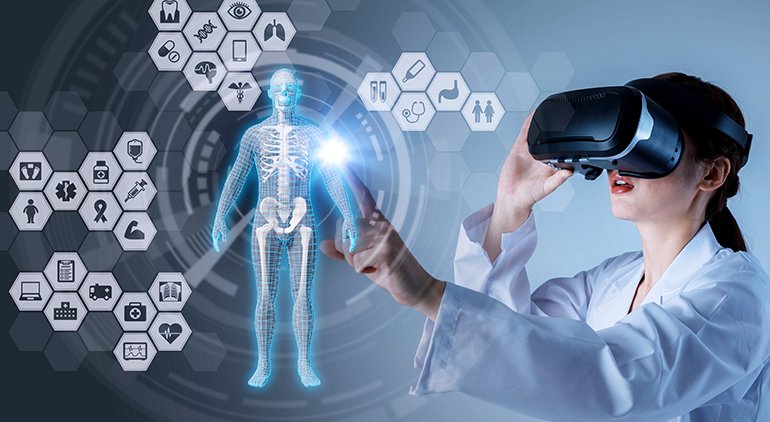
Discover how Virtual Reality is transforming education in 2026 through immersive and interactive learning experiences.
Introduction
Virtual Reality (VR) is revolutionizing how students learn. In 2026, immersive classrooms allow learners to explore historical events, complex science concepts, and engineering simulations in a fully interactive digital environment.
How VR Enhances Learning
Real-world simulations
Safe practical training environments
Increased engagement
Better concept visualization
For example, medical students can perform virtual surgeries, and engineering students can test prototypes digitally.
Benefits of VR in Education
Higher retention rates
Improved understanding of complex topics
Accessibility to global experiences
Reduced training risks
Challenges
High setup costs
Hardware accessibility
Technical training for teachers
Conclusion
VR is bridging the gap between theory and practice, making learning more engaging and effective.